
Placement
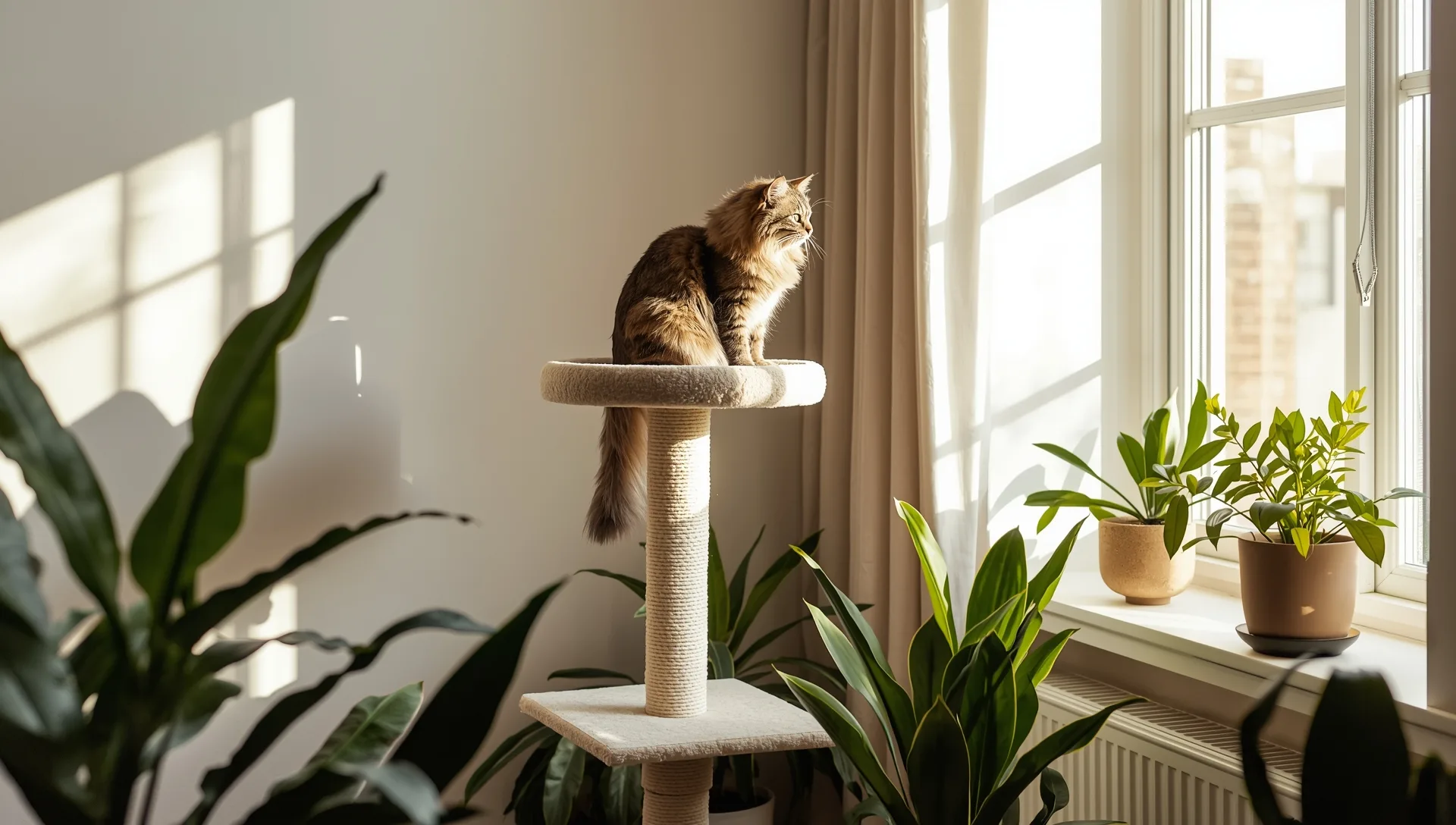
Beside a window with bird traffic, in the room your household spends its evenings — the twenty percent that does eighty percent of the work.
Free shipping on orders over $150 · Replaceable sisal sleeves
Placement, stability, sisal, and the guides that explain why most trees get ignored.
Beside a window with bird traffic, in the room your household spends its evenings — the twenty percent that does eighty percent of the work.
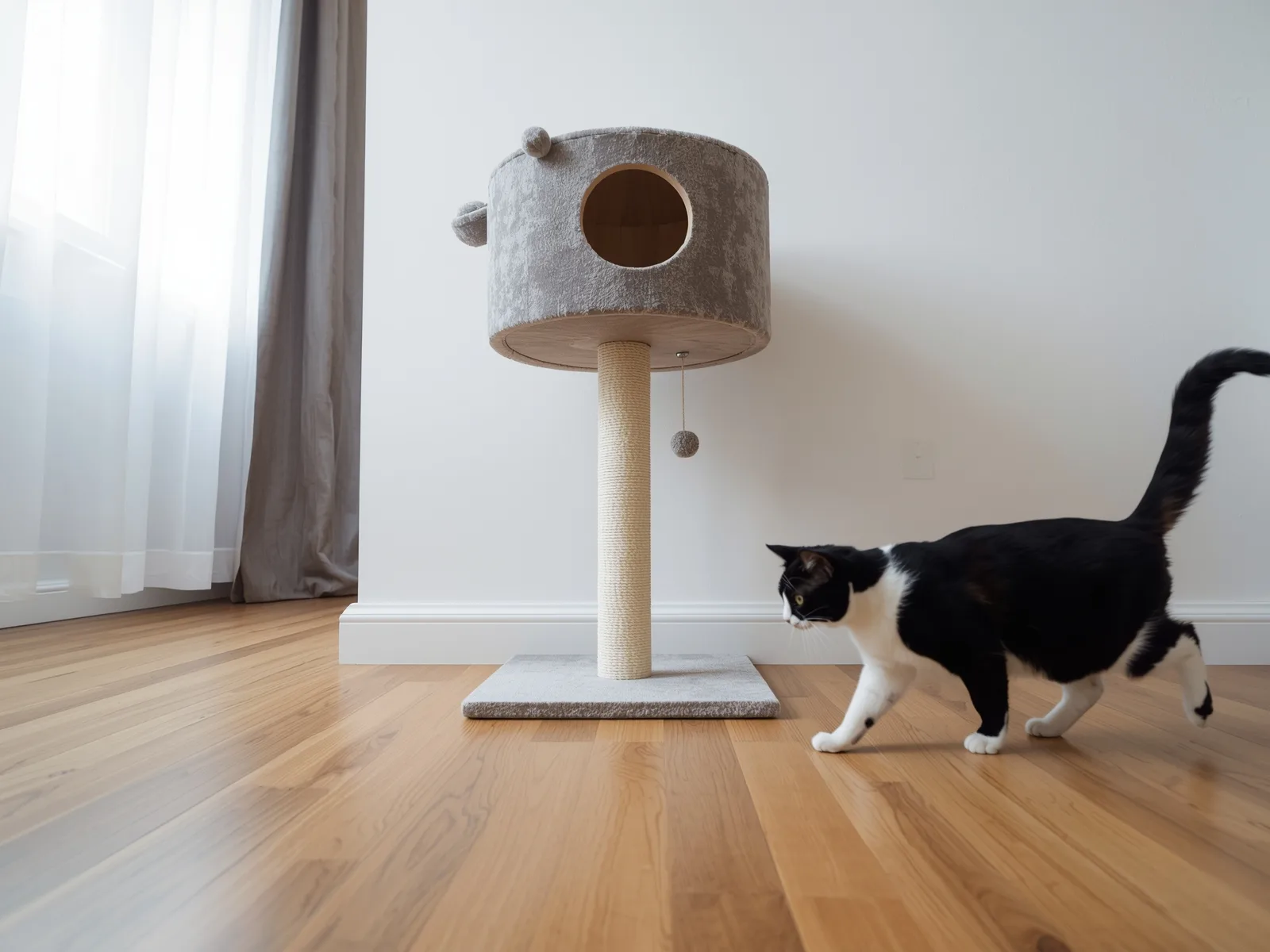
70 cm laminated bases and bottom-weighted platforms that pass the wobble test — even on deep carpet, with a wall strap when height demands it.
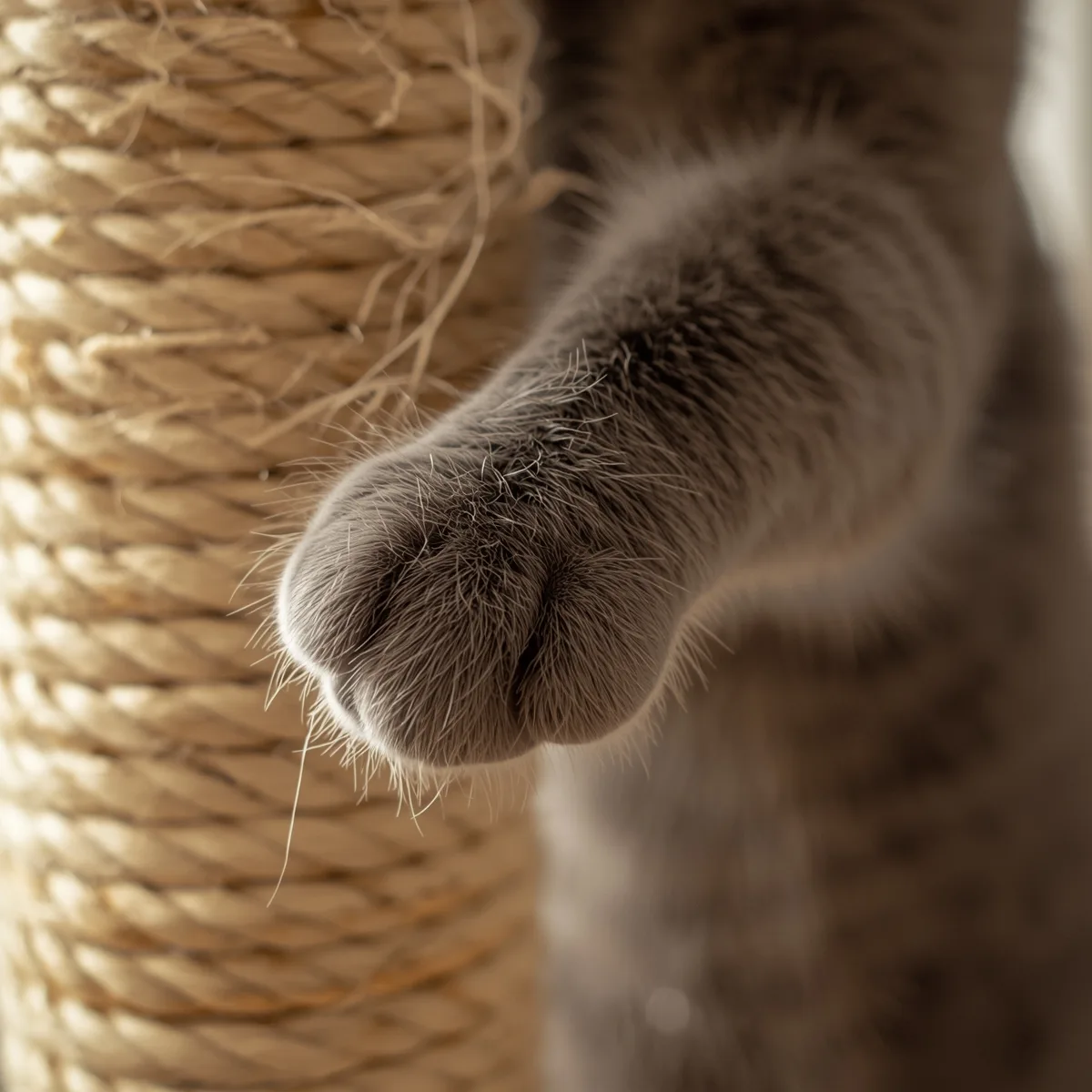
Replaceable rope sleeves that fight back and show honest wear — not carpet that trains your cat to shred the stairs.
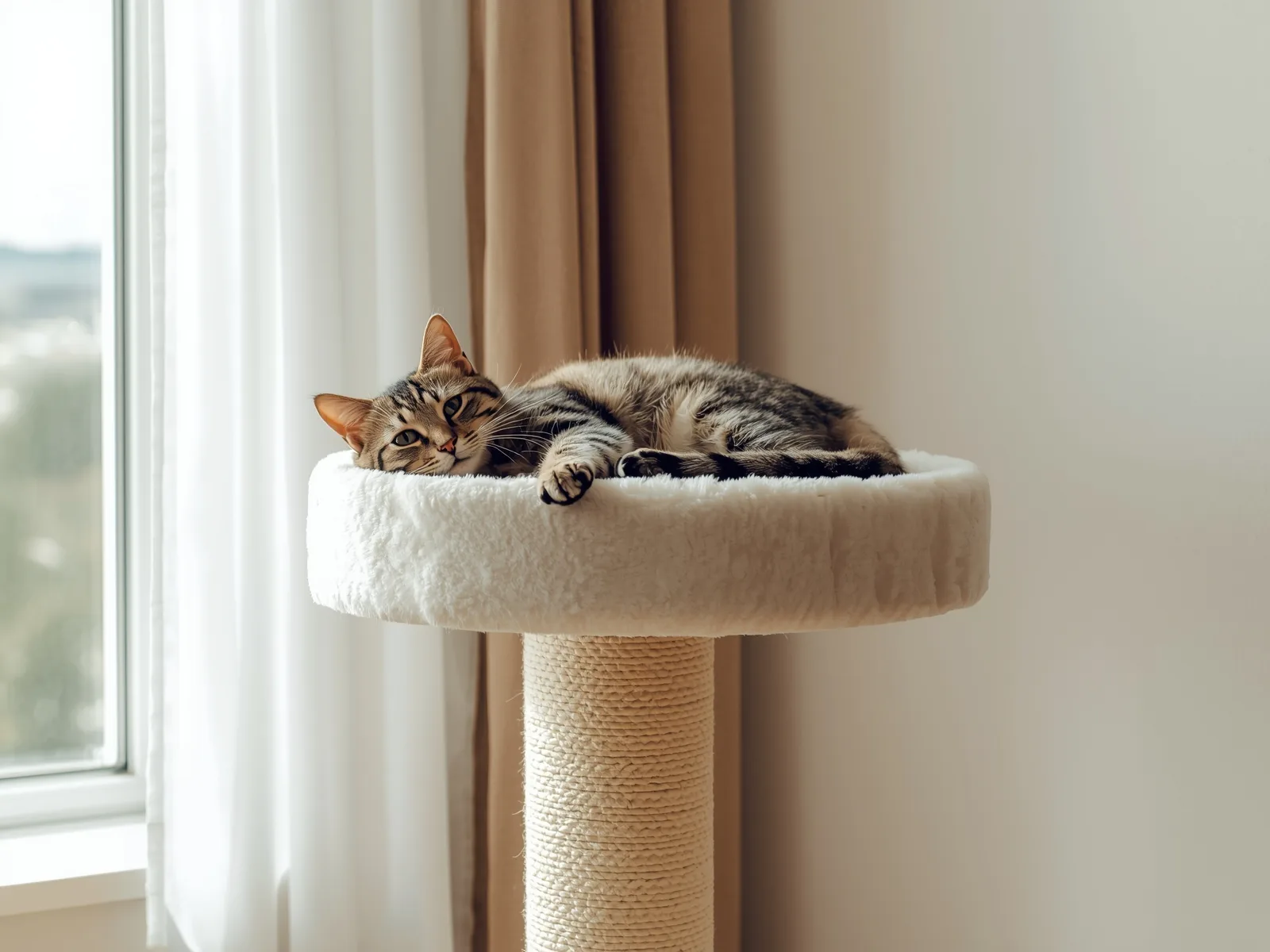
Height above sitting level is supervision, not exercise — the difference between resting and monitoring the room.
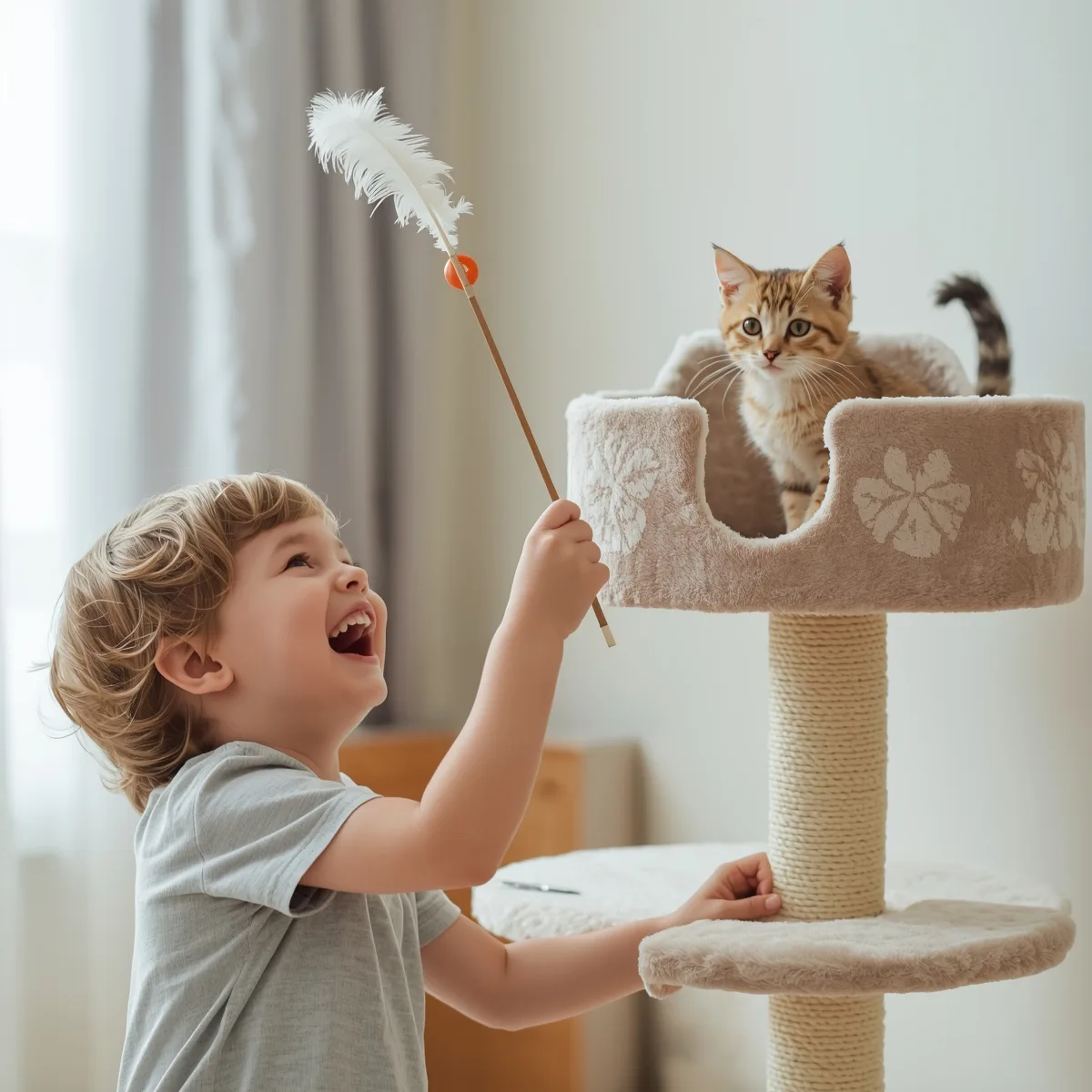
Two weeks of deliberate ignoring, catnip in the sisal, and play that ends on the lowest perch — territory earned, not assigned.
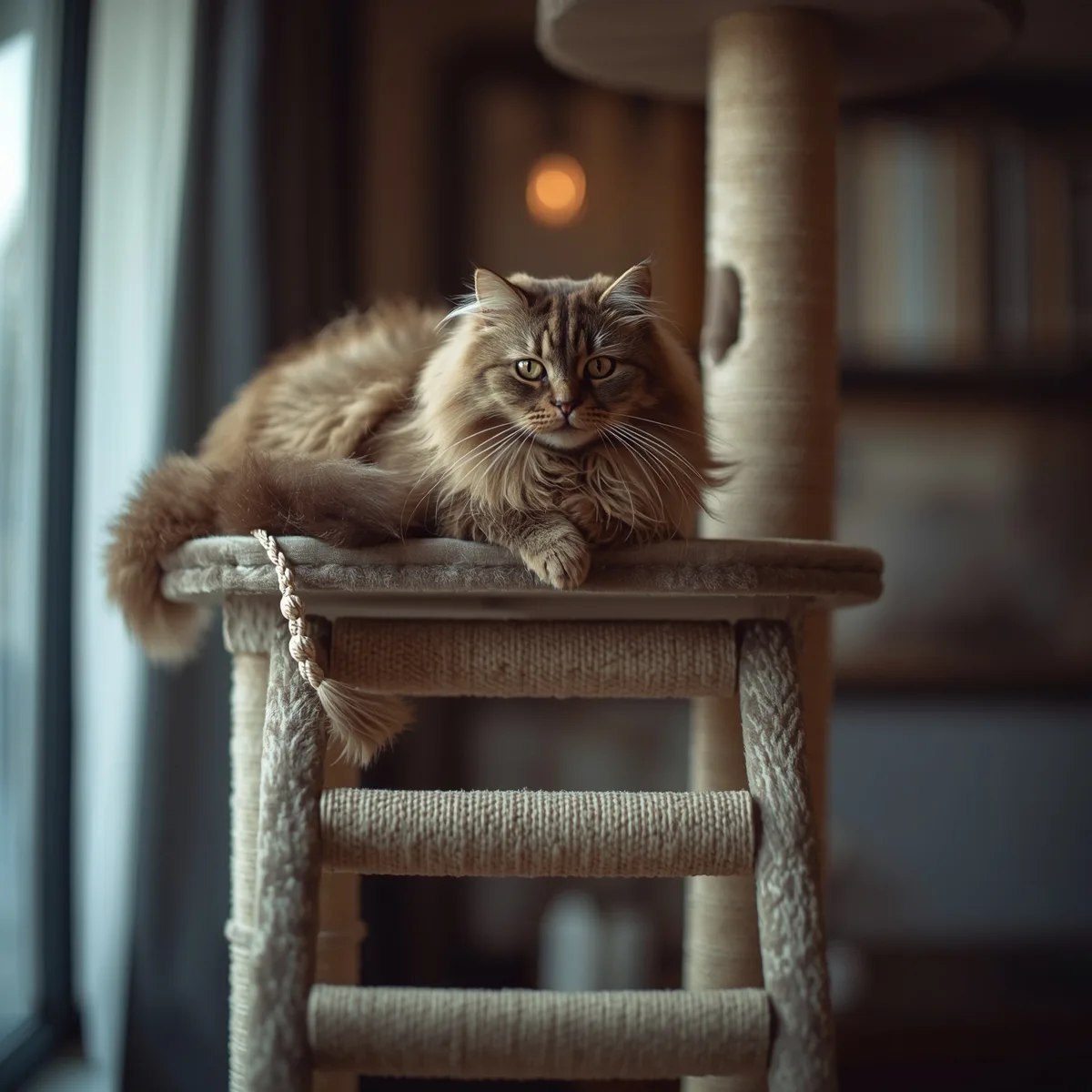
Two full perches at different heights, or a second tree in another room when guarding replaces resting.

The collection
Two trees, one philosophy: stable bases, replaceable sisal, and platforms placed where cats actually land. The Sentinel supervises from window height; The Foothill earns altitude gently for kittens and seniors.
We publish base dimensions and perch spacing because weight and handle-fit cannot be photographed — but wobble can be tested with one firm handshake at the top perch.
For kittens, a tree that is too tall is a tree that is too scary. Start with a lower model and graduate up. For seniors, platform spacing matters more than total height — a cat who cannot leap 40 cm without pain will not use a tree that demands it. The Foothill was designed around that constraint.
For large breeds, the top perch must be wide enough to sit on, not just balance on. A Maine Coon on a 30 cm platform is a cat who will not return. The Sentinel's oversized top perch is sized for cats up to eight kilos with room to turn around.
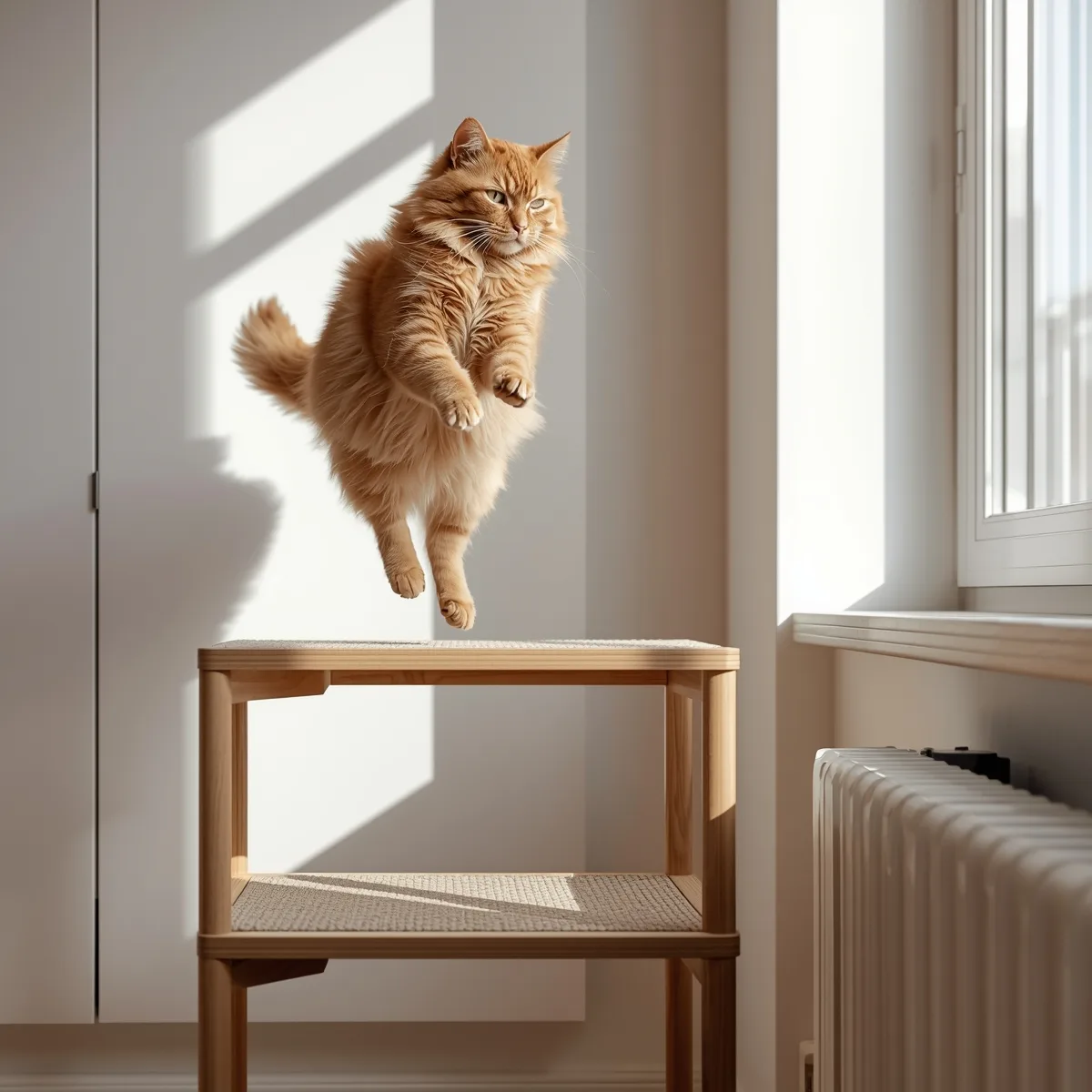
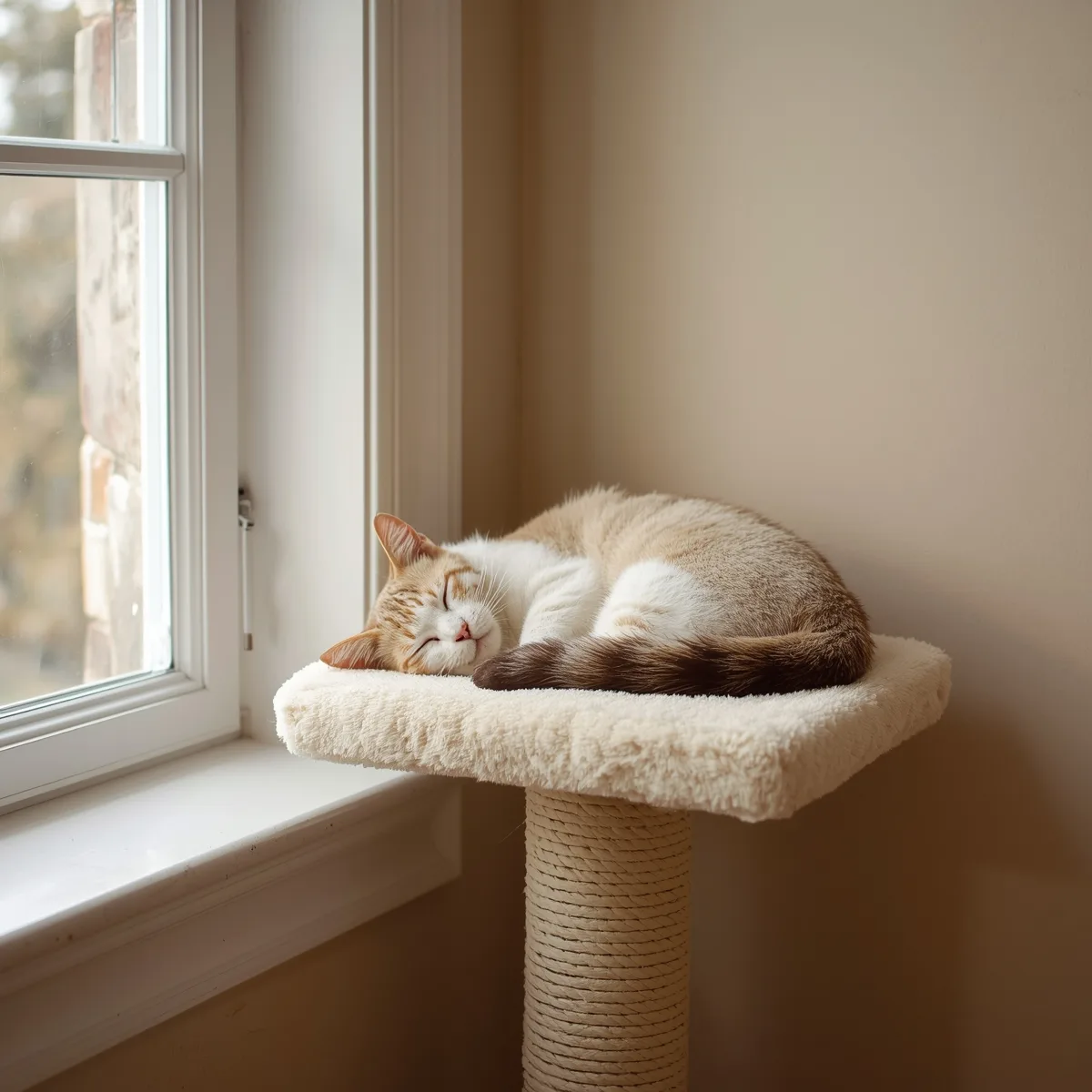
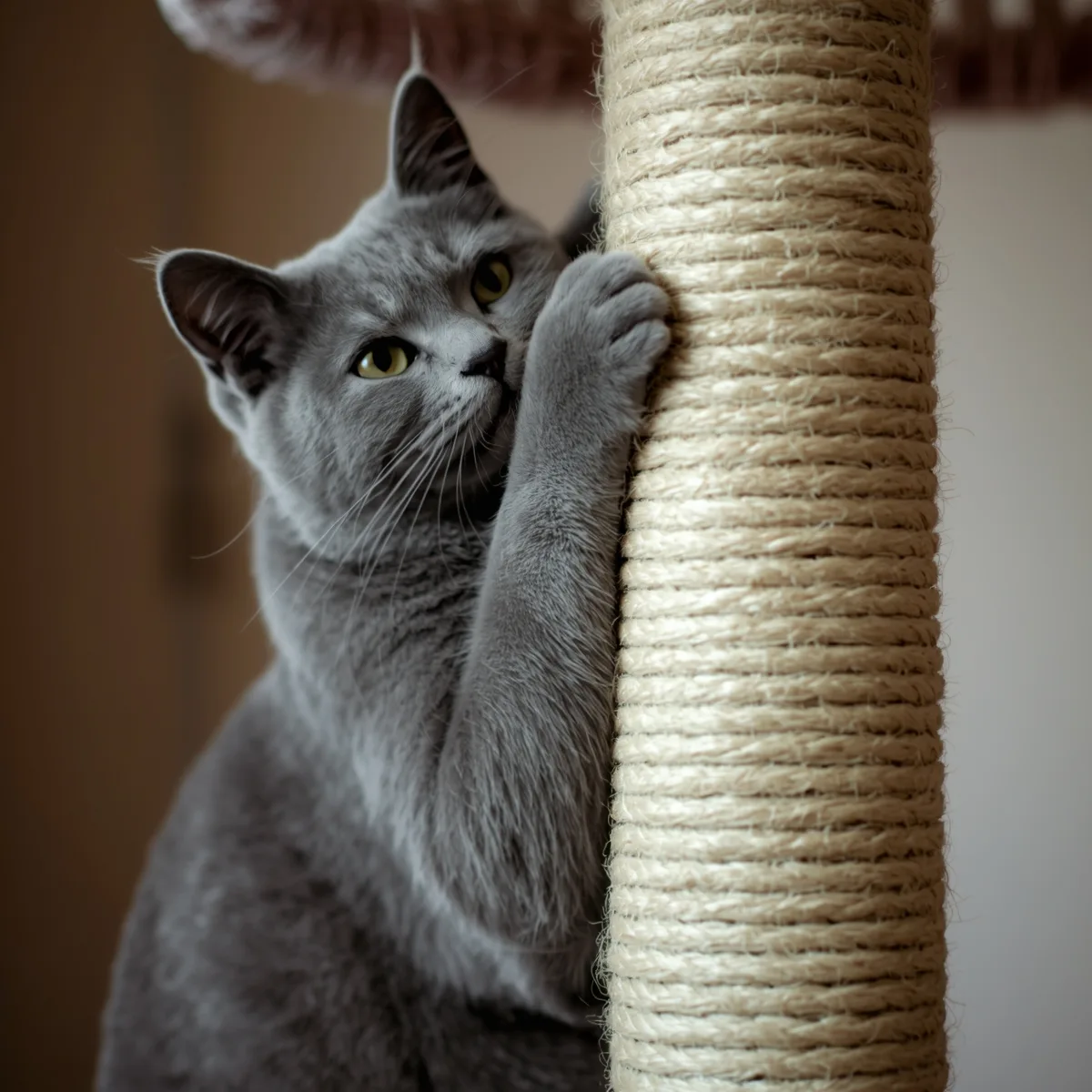
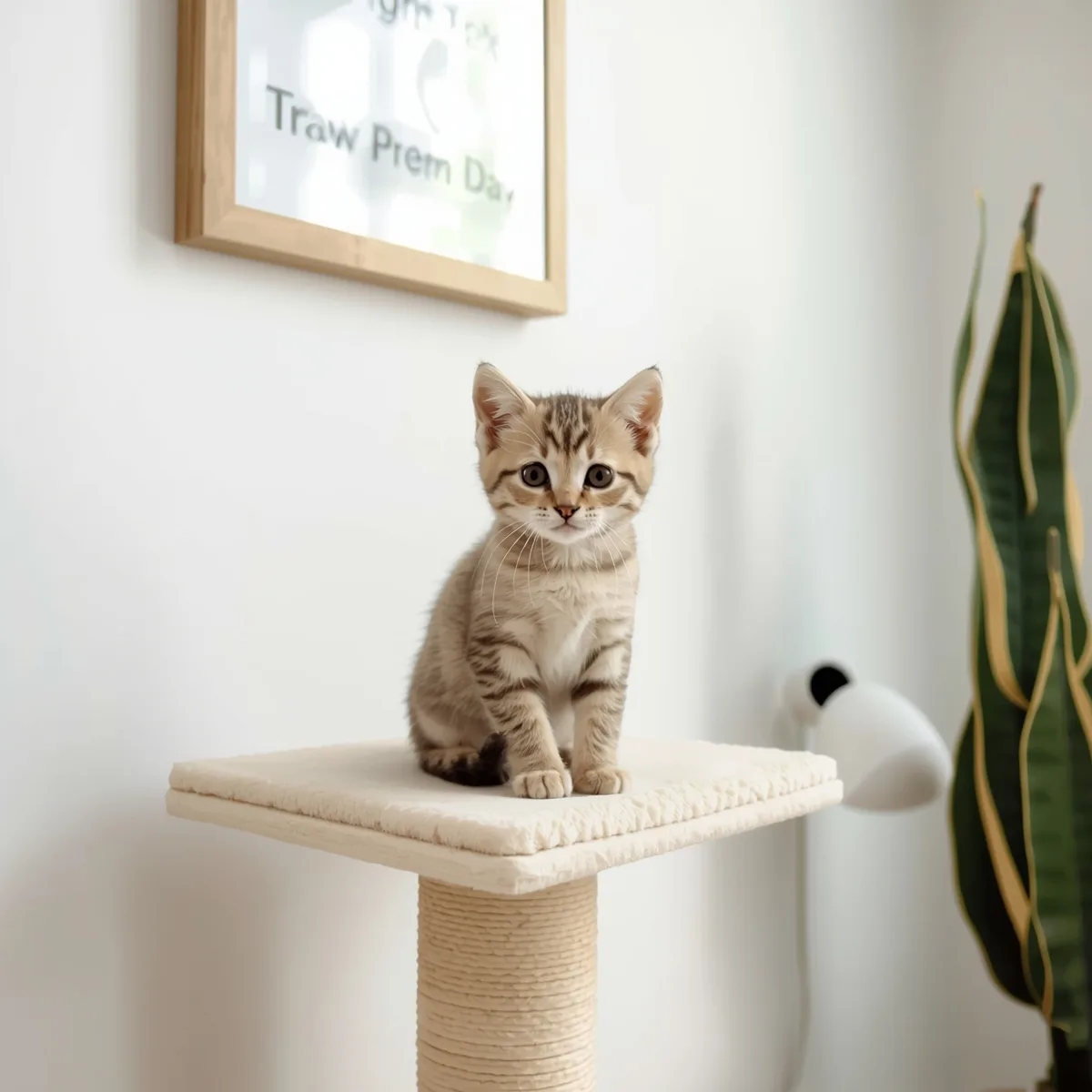
Two trees, one philosophy — stable bases, replaceable sisal, platforms where cats actually land.
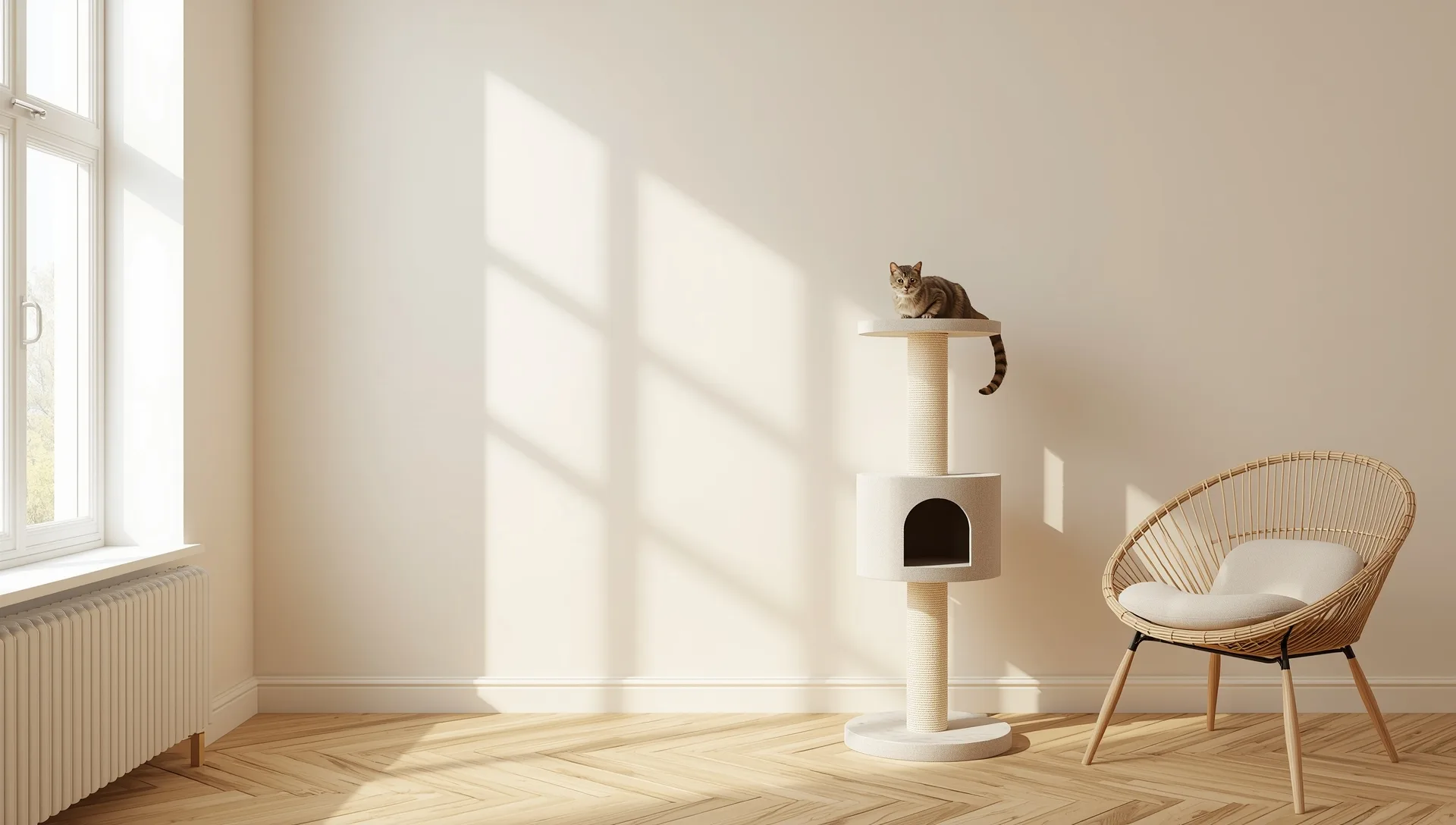
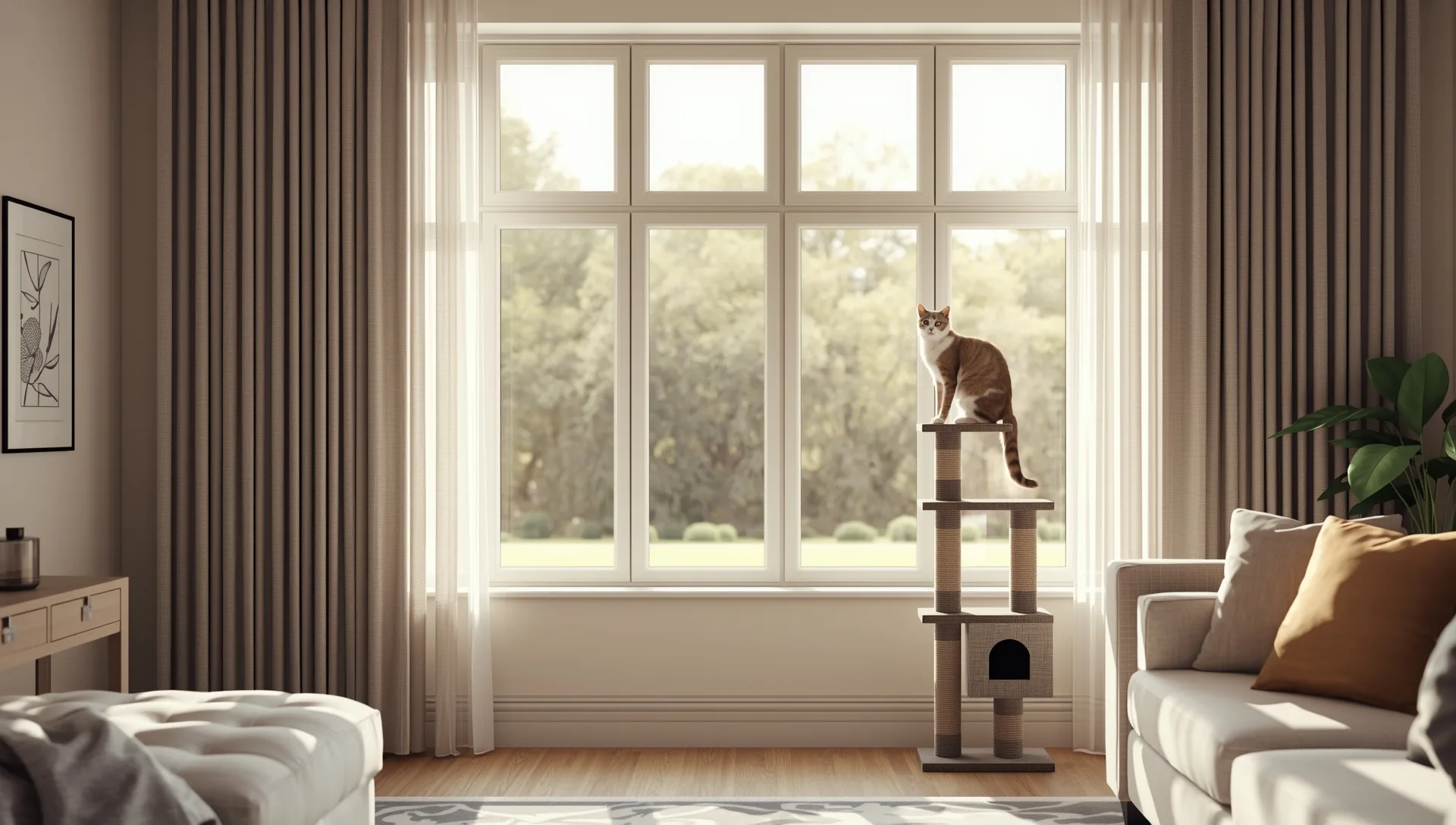
Our full-height tree for supervisors: wide laminated base, bottom-weighted platforms, replaceable sisal sleeves, and a top perch sized for cats up to eight kilos. Ships with a wall strap for carpeted rooms.
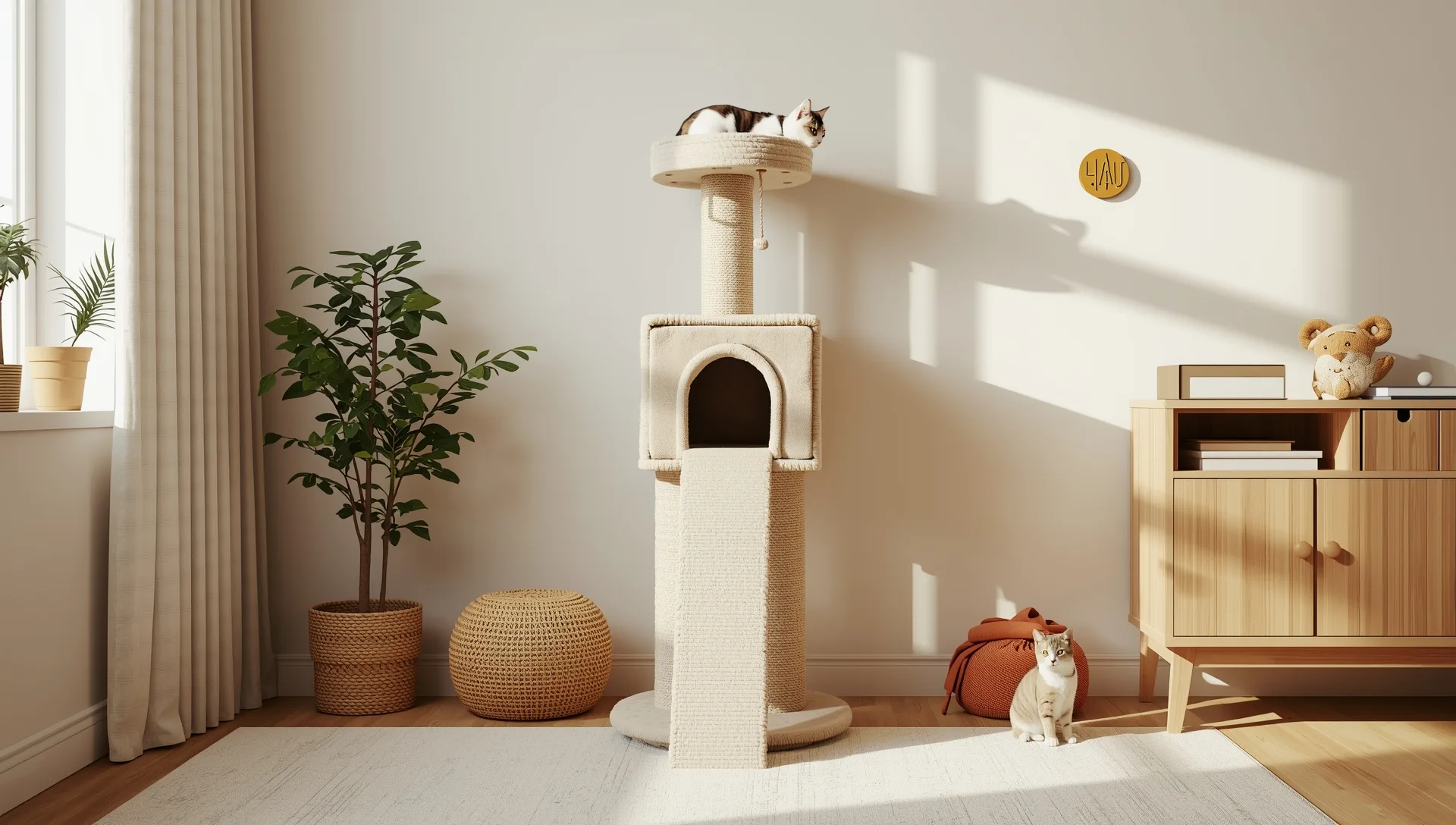
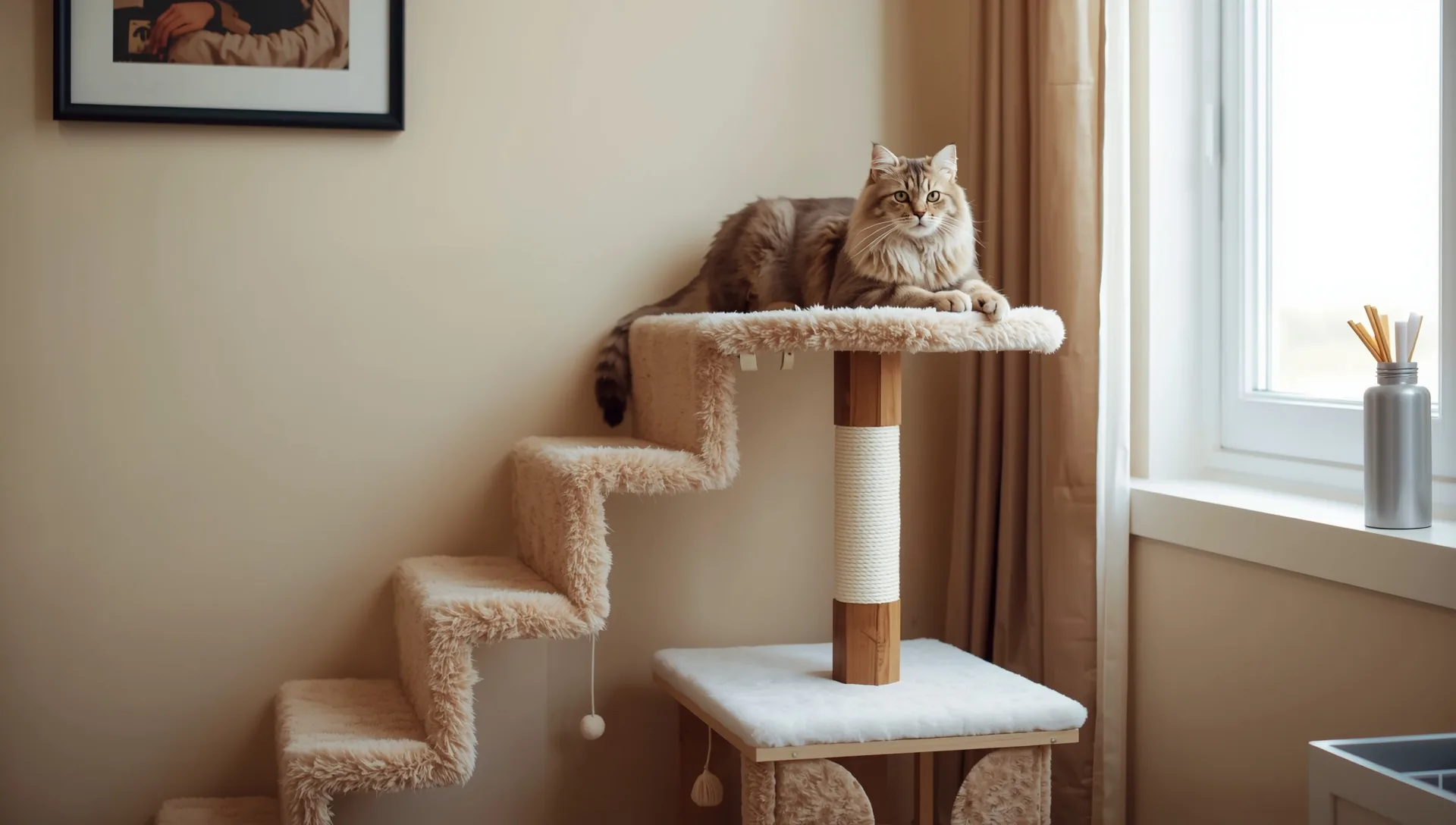
A 90 cm stair-stepped tree with close platform spacing, ramps instead of leaps, and the same replaceable sisal. Built for kittens learning altitude and seniors negotiating with it.
Why height matters
Cats are ambush predators and prey animals at once. Height means seeing the room before the room sees you. Without a sanctioned perch, they take the bookshelf, the fridge, or your wardrobe — because the need is not negotiable.
In multi-cat homes, vertical space multiplies territory without adding floor area. Two cats who bicker at ground level often coexist peacefully when one claims the top perch and the other the middle platform. The hierarchy plays out in altitude instead of ambushes, and everyone's cortisol comes down, yours included.
Most ignored trees fail one of three audits: wrong room, wobbly landing, or carpet where sisal should be. Fix those and the sofa retires from scratching duty within a week or two.
This is why a tree is not a luxury purchase for an indoor cat. It is the difference between an environment shaped for a cat and an environment a cat has to reshape by force — usually starting with your furniture.
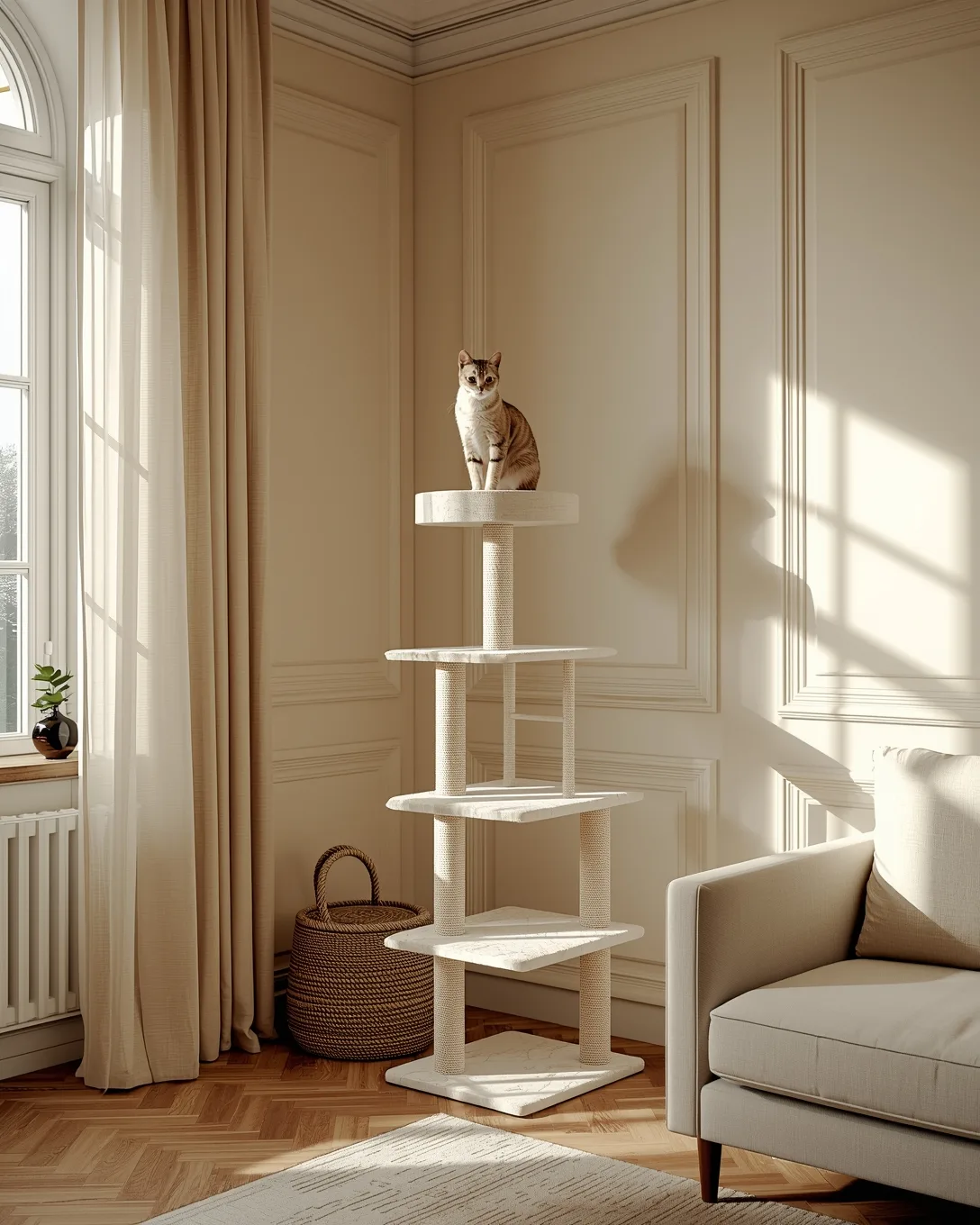
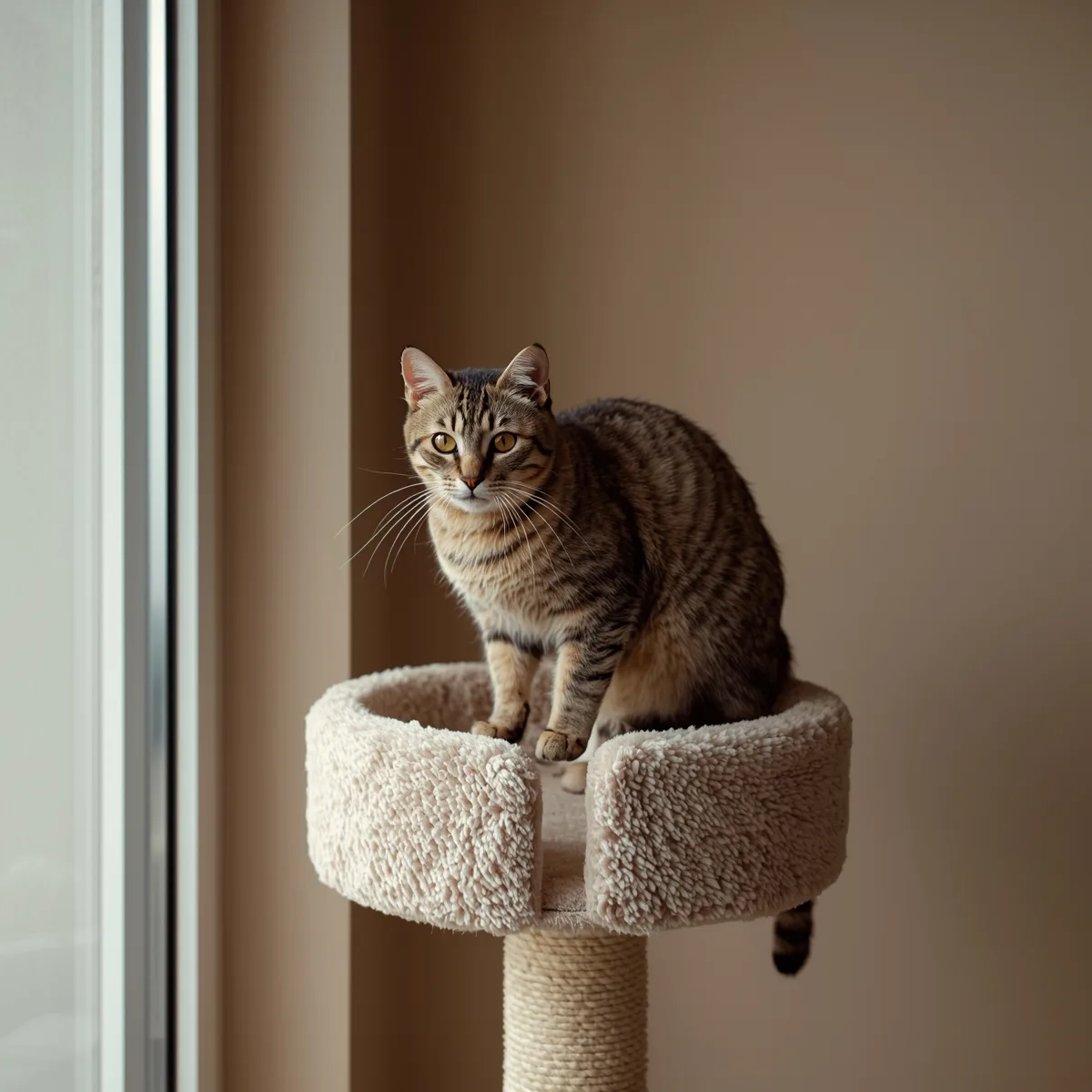
Window spots, wobble tests, and the two-week introduction plan — free by email.
Email me the guideGet the placement map, the wobble test, and the two-week introduction plan — useful whether or not you buy our trees.

Wide laminated bases, bottom-weighted platforms, and height-to-base ratios that pass the wobble test on carpet. Wall straps included when height demands them.
Replaceable rope sleeves, not glued carpet. Shredded sisal is the product working, not a defect — renew the sleeve, not the tree.
We tell you when a cheaper tree is the right call and when your cat, specifically, needs something else. Questions about a weird cat or a weird room genuinely welcome.
The single best spot is beside a window with bird traffic, in the room your household spends its evenings. Second best is near the sofa the cat currently scratches. Hallways, basements, and closed-door rooms are where trees go to die.
Here is the pattern behind almost every ignored tree we hear about: it was placed where the tree looked best, not where the cat lives. A tree in the spare room is furniture. A tree in the living room, beside the window, is territory. Cats scratch and climb socially — the sofa gets destroyed precisely because it is in the middle of everything.
If your cat has ignored a tree before, do not buy a new one and put it in the same spot. Move the existing tree to the window, to the room where the family sits, and give it two weeks of deliberate ignoring. Rubbing dried catnip into the sisal accelerates the introduction, but placement does the real persuading.
Relocate before you replace. A moved tree can go from invisible to occupied in under a week when the wobble test still passes.
One sway at the moment of landing and many cats write the tree off permanently. Before you buy, divide height by base width: anything over 1.5 meters on a base under 60 cm square is a sway waiting to happen on carpet.
Weight distribution matters more than total weight. Bottom-heavy trees survive enthusiastic ambush landings; top-heavy ones become a story you tell your vet.
The wobble test is simple: one firm handshake at the top perch. If the base lifts or the tree sways more than a few centimeters, your cat will notice — and they will not forgive it. Our Sentinel uses a 70 cm laminated base and bottom-weighted platforms specifically to pass that test on deep carpet.
On hard floors, our height-to-base ratios pass without a wall strap. On carpet, strap anything over 1.5 meters — carpet compresses unevenly under the base and creates sway the flooring, not the tree, is causing.
Scratching strips the worn outer sheath from the claw and marks territory through paw scent glands. Sisal fights back and shows damage — carpet posts train your cat that carpet is a legitimate surface, then act surprised at the stairs.
A well-used post should look shredded within months. Ours use replaceable wrapped sections so you renew the surface without replacing the tree.
The difference between sisal and carpet is not aesthetic — it is functional. Sisal resists claw pull and holds scent. Carpet gives way too easily and teaches your cat that soft flooring is fair game. When a customer asks why their cat scratches the sofa after using a carpet-wrapped post, the answer is usually in the post material.
Shredded sisal is not a defect. It is spent claw sheaths and marked territory, exactly what you bought the tree for. Renew the sleeve, not the tree.
CatttTree began as a spreadsheet between two people logging why their own cats used some trees and boycotted others — across four apartments and seven cats. Placement, stability, and sisal kept explaining everything.
We design around those three findings and write our guides the same way. Send cat photos with your questions — it does not help us answer, but we want them.
We will tell you when a cheaper tree is the right call and when your cat, specifically, needs something else. A kitten in a studio apartment does not need The Sentinel. A senior Maine Coon does not need a tree with 40 cm leaps between platforms. Honest sizing beats upselling every time.
Questions about a weird cat or a weird room are genuinely welcome. That is how this company started.
Choosing a cat tree is a ten-year furniture decision disguised as a one-afternoon assembly project. These answers come from the same place as the rest of this page: placement science, stability math, and strong opinions about sisal.
If you do not see your question here, email us with a photo of the room and the cat. We answer placement questions even when you are not buying our trees — because a cat using any tree correctly is a win for everyone in the household.
In most cases the trees were not the problem — the placement was. Put the new tree beside a window in your most-lived-in room, near whatever furniture the cat currently scratches, and give it two weeks of deliberate ignoring. If your last tree also wobbled at the top, that alone explains the boycott.
Tall enough to put the top perch above human sitting height — that is the supervision altitude cats want. In practice 1.5 to 1.8 meters suits most rooms. Only go taller if your base and your ceiling both cooperate.
On hard floors, our height-to-base ratios pass without it. On deep carpet, strap anything over 1.5 meters — carpet compresses unevenly under the base and creates sway the flooring, not the tree, is causing.
That is the product working — shredded sisal is spent claw sheaths and marked territory, exactly what you bought the tree for. Ours use replaceable sleeves so you renew the surface without replacing the tree.
Often, if it has at least two full perches at different heights — altitude separation is how cats share. Watch for one cat guarding the whole tree; if that happens, a second, smaller tree in another room resolves it faster than a bigger single tree.
Vacuum the platforms weekly with an upholstery head, spot-clean with mild soap and water, and let sisal wear proudly. Skip steam cleaners — soaked sisal loosens and takes days to dry.